


 Decking Screws
 Drilling Screws


How to Use Self Tapping And Self Cutting Screws for Home Renovation Projects
Self tapping and self cutting screws offer a reliable solution for home renovation. These screws form their own threads, making installation efficient and precise. DIYers and professionals use self tapping and self cutting screws for wood, metal, and plastic.
| Benefit | Description |
|---|---|
| Precision | Self tapping and self cutting screws create tight, secure fits. |
| Time Efficiency | Screws eliminate pre-tapping, speeding up projects. |
| Versatility | Screws adapt to light or heavy-duty tasks. |
Understanding Self Tapping and Self Cutting Screws
What Are Self-Tapping Screws?
Self-tapping screws are a type of fastener designed to create their own threads as they are driven into materials. These screws work by displacing or cutting the material, forming a secure fit without the need for a separate tap. The unique thread design allows the self-tapping screw to grip wood, metal, or plastic with high precision. Common head shapes include pan, countersunk, and hex, while drive types range from Phillips to Torx. The shank may be fully or partially threaded, making these screws suitable for both thin and thick substrates. Self-tapping screws are widely used in sheet metal fabrication, electrical enclosures, and plastic assembly. Fuertes Crew offers a range of self-tapping screws with options for different materials and thread types, ensuring compatibility with various renovation tasks.
What Are Self-Cutting Screws?
Self-cutting screws, also known as self-drilling screws, combine the functions of drilling and fastening in one step. These fasteners feature a drill-like tip that creates its own pilot hole as the screw advances. This design eliminates the need for pre-drilling, increasing efficiency and reducing labor time. Self-cutting screws are ideal for steel, aluminum, and other hard materials. They provide a strong hold and minimize the risk of misalignment during installation. Fuertes Crew’s self-cutting screws are engineered for durability and strength, making them a preferred choice for construction, roofing, and composite panel applications.
Key Differences and Uses
The main distinction between self-tapping screws and self-cutting screws lies in their tip design and application process. The table below highlights these differences:
| Feature | Self-Tapping Screws | Self-Cutting Screws |
|---|---|---|
| Thread Cutting | Cuts its own thread as it is fastened | Acts as a drill bit and cuts its own thread |
| Pilot Hole Requirement | Often requires a pre-drilled pilot hole | Does not require a pilot hole |
| Material Compatibility | Suitable for wood, metal, plastic, and brick | Best for steel, copper, aluminum, and hard plastics |
| Efficiency | Less efficient due to pilot hole need | More efficient, drills and fastens in one step |
| Common Applications | Sheet metal, electronics, plastic assembly | Construction, roofing, composite panels |
Self-tapping screws offer versatility for a wide range of materials, including hard plastics and rigid composites. Self-cutting screws excel in projects where speed and strong holding power are essential. Both fastener types are essential for home renovation, providing reliable solutions for professionals and DIYers.
How to Use Self-Tapping Screws in Home Projects
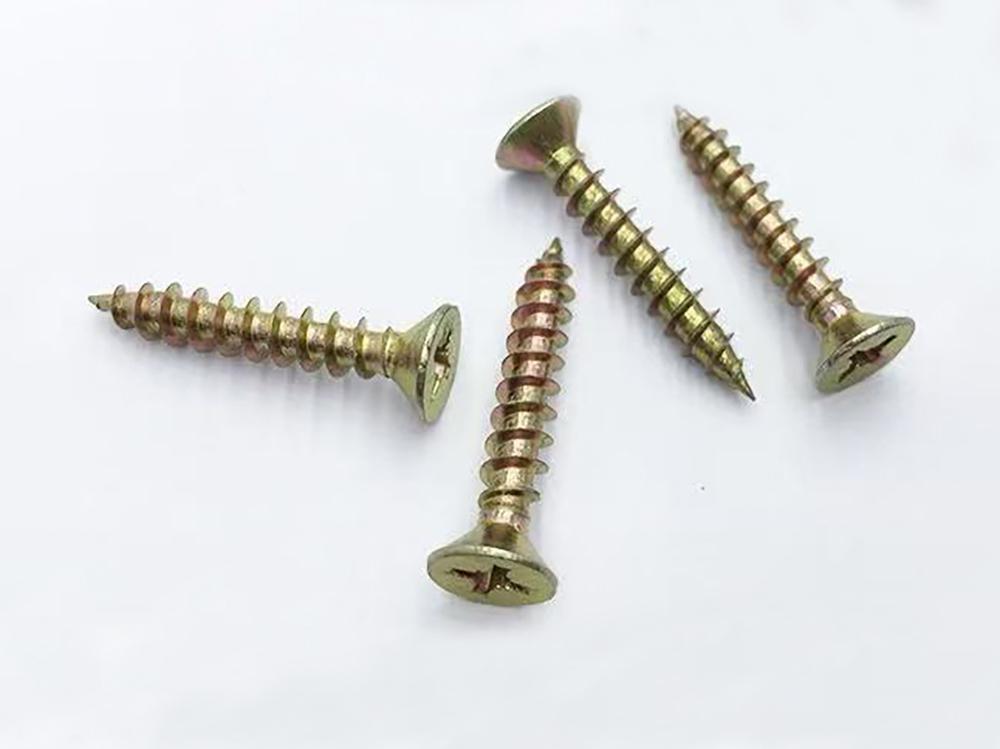
Choose the Right Screw
Selecting the correct self-tapping screws is essential for a successful project. The choice depends on several factors that impact performance and durability:
- Material type: Match the screw to the substrate. Use thread-forming screws for plastics and thread-cutting screws for wood.
- Material thickness: Ensure the screw length and drill point are suitable for the material’s depth.
- Pilot hole size: For harder materials, the pilot hole must be the right size to guarantee a secure connection.
- Head style: Pick a head that fits your application, such as countersunk for a flush finish or pan head for higher torque.
- Coating or material grade: Opt for stainless steel in outdoor or humid environments and zinc-plated for general indoor use.
Fuertes Crew offers a wide range of self-tapping screws with various thread types and materials, making it easy to choose the right screw for wood, metal, or plastic.
Tip: When fastening wood thicker than ½ inch to metal, use screws with wings to prevent premature thread engagement and material separation.
Prepare Materials
Proper preparation ensures the effectiveness of self-tapping screws and reduces the risk of installation errors. Follow these steps:
- Clean the work area to remove debris, rust, or contaminants.
- Mark the hole location with a pencil or marker for precise alignment.
- Select the appropriate tool, such as a power drill with the correct driver bit or a manual screwdriver.
- Wear safety glasses and gloves to protect against debris and sharp edges.
- Control the speed of your drill and avoid excessive pressure to prevent stripping or damaging the material.
| Safety Precaution | Description |
|---|---|
| Clean Work Area | Remove debris and contaminants for quality installation. |
| Use Appropriate Tools | Employ a screw gun with depth control for better results. |
| Personal Protective Equipment (PPE) | Always wear safety glasses and gloves. |
| Control Speed | Adjust speed for screw size and material. |
| Avoid Excessive Pressure | Apply steady force without over-tightening. |
| Drive Fastener in One Motion | Achieve a snug fit without damaging the material. |
| Slow Down When Seating the Head | Prevent surface damage and ensure proper seating. |
| Use a Torque Wrench | For critical applications, maintain precise torque. |
How to Use Self-Tapping Screws: Step-by-Step
This step-by-step guide outlines how to use self-tapping screws for wood, metal, and plastic:
- Mark the spot where you want to install the screw.
- For hard materials, drill a pilot hole to reduce splitting and ensure proper thread engagement.
- Choose the right screw for your material and thickness.
- Align the screw with the pilot hole or marked spot, holding it at a 90-degree angle.
- Begin driving the screw slowly, allowing the threads to cut into the material naturally.
- Apply steady pressure, especially for metal and plastic, but avoid over-tightening.
- Check the fit to confirm the screw is straight and secure, and the material is not cracked.
Note: For softer materials, direct installation methods may be used without a pilot hole. For load-bearing joints, use multiple screws to increase strength.
Tips for Best Results
Achieving strong and durable connections with self-tapping screws requires attention to detail and adherence to best practices:
- Always choose the right screw for the specific material and application.
- Pre-drill when working with hard substrates to prevent splitting or breaking.
- Maintain a steady hand and apply consistent pressure during installation.
- Use a lubricant for tough materials to ease driving and reduce friction.
- Ensure proper alignment to maintain a secure connection.
- Inspect screws and connections periodically, especially in environments with high humidity or temperature changes, to prevent corrosion and maintain integrity.
- Avoid common mistakes such as misjudging material thickness, applying excessive force, or using the wrong screw type.
Reminder: Environmental factors like humidity and temperature can affect the performance of self-tapping screws. Select corrosion-resistant options, such as stainless steel, for outdoor or damp locations.
By following these guidelines and using quality products like those from Fuertes Crew, you can achieve reliable, long-lasting results in your home renovation projects. Understanding how to use self-tapping screws and proper installation methods will help you complete tasks efficiently and safely.
- Self-tapping and self-cutting screws streamline home renovation by creating their own threads and eliminating pre-drilling.
- These screws offer speed, ease of use, and strong connections in wood, metal, and plastic.
- Reference the checklist for each project.
- Choose screws for reliable, efficient, and lasting results.
| Fastener Type | Exposure Duration | Visible Corrosion Level |
|---|---|---|
| 410 Stainless Steel | 24 months | Light gray patina only with intact threading |
FAQ
What is the main advantage of self-tapping screws?
Self-tapping screws save time. They create their own threads, so you do not need to pre-tap holes. This makes installation faster and more efficient.
Can I use self-cutting screws for both wood and metal?
Yes. Self-cutting screws work well in wood, metal, and hard plastics. Always select the correct screw material and tip design for your specific application.
How do I prevent stripping when installing these screws?
- Use the correct driver bit size.
- Apply steady pressure.
- Avoid over-tightening.
- Stop once the screw sits flush with the surface.