


 Decking Screws
 Drilling Screws


Drywall Screws for Bathrooms and Basements: How to Prevent Rust and Failure
Choose rust resistant drywall screws—stainless steel or coated steel options. Bathrooms or basements combine humidity, steam, and condensation, which attack standard drywall. Prevention requires a corrosion-resistant fastener, correct screw selection for framing, careful installation that preserves the coating, and disciplined moisture control—ventilation and waterproofing. This approach prevents corrosion before it starts.
Key Takeaways
- Choose stainless steel or coated screws for bathrooms and basements. These screws resist rust and last longer.
- Install screws carefully to avoid damaging the protective coating. Drive them straight and at the right depth.
- Control moisture with ventilation and barriers. This stops rust before it starts and keeps your walls strong.
Why Bathrooms and Basements Cause Drywall Screw Rust
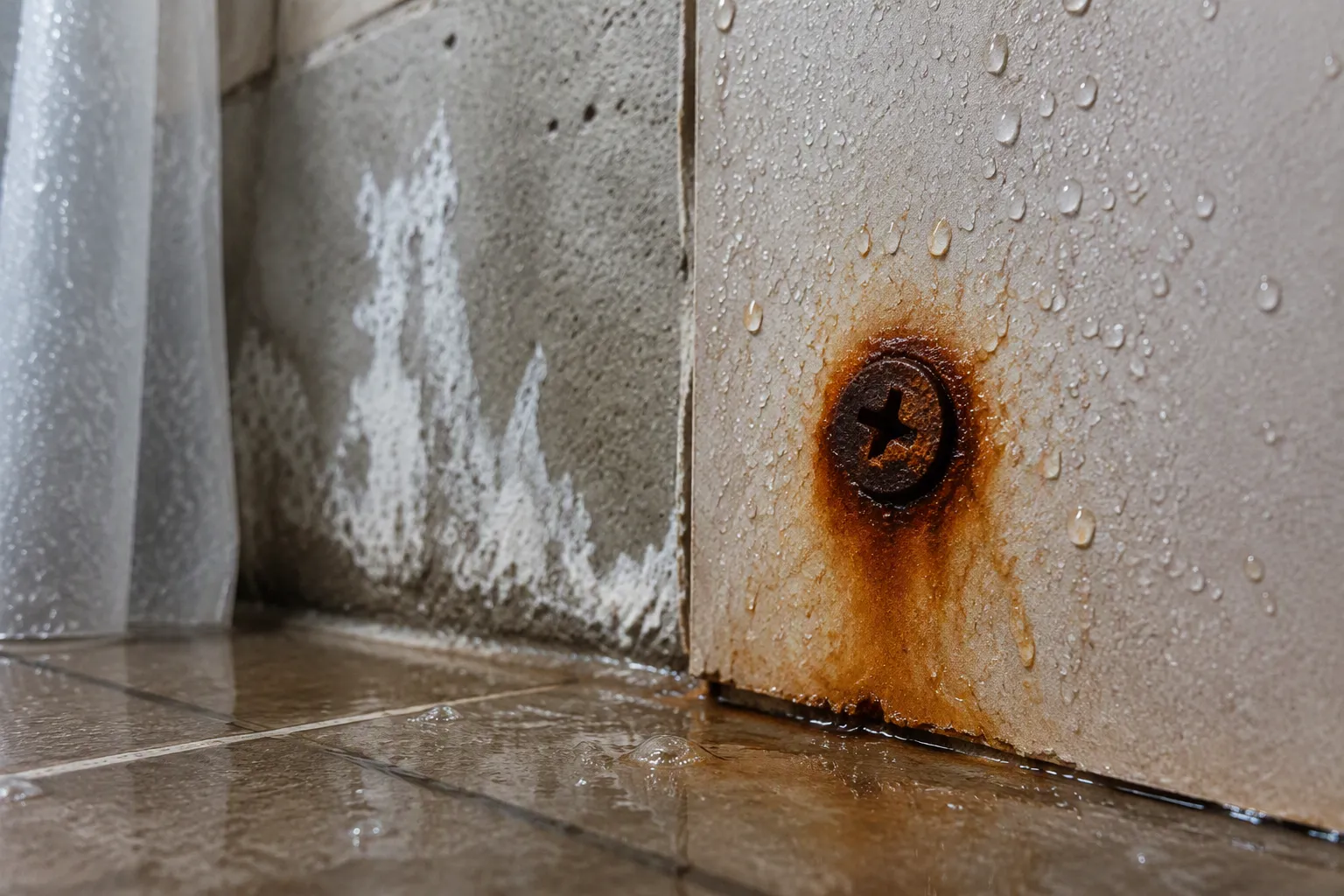
Moisture, Condensation, and Coating Breakdown
Regular zinc-coated drywall screws can rust in moisture-prone environments. Their coating offers no lasting defense against moisture. Bathrooms and basements create conditions that break this coating down. Steam from showers, condensation on cold surfaces, and damp air all attack the screw surface. Once the coating fails, rust begins to form.
Rust stains drywall paper and weakens the fastener grip. Over time, the screw head can fail completely. Poor ventilation makes the problem worse. Water splashes near showers, tubs, and foundation walls speed up corrosion. Below-grade spaces trap damp air against the wall assembly. The material rule for coastal and wet interiors is clear:
If the wall assembly can stay above 70 percent relative humidity for more than a few weeks per year, stainless iron is the wrong grade. Type 304 stainless steel is the minimum alloy for persistent condensation zones, pool buildings, coastal fenestration, and any area where the screw head will remain visible.
Installation Mistakes That Accelerate Corrosion
Poor installation habits shorten screw life in wet areas. Several common errors compromise corrosion protection:
- Failing to install moisture barriers behind drywall in bathrooms allows humidity to enter wall cavities.
- Condensation and hidden moisture damage can then develop around the installation.
- Driving screws too deep can break the paper facing and reduce holding power.
- Driving screws too shallow can create bumps and surface defects.
- In humid conditions, improperly placed fasteners create moisture entry points that can lead to rusting screws and staining.
- Using moisture-resistant screws instead of standard fasteners helps prevent rusting and eventual failure.
Over-tightening drywall screws can create mushroom-shaped bulges that damage finishes and may harm the protective coating. Mixing galvanized and stainless steel components can trigger galvanic corrosion. Ignoring humidity in bathrooms can lead to rust and eventual fastener failure. Corrosion-resistant coatings such as epoxy or stainless steel blends are important in moisture-prone areas because they protect against oxidation.
Choosing Rust Resistant Drywall Screws for Damp Areas
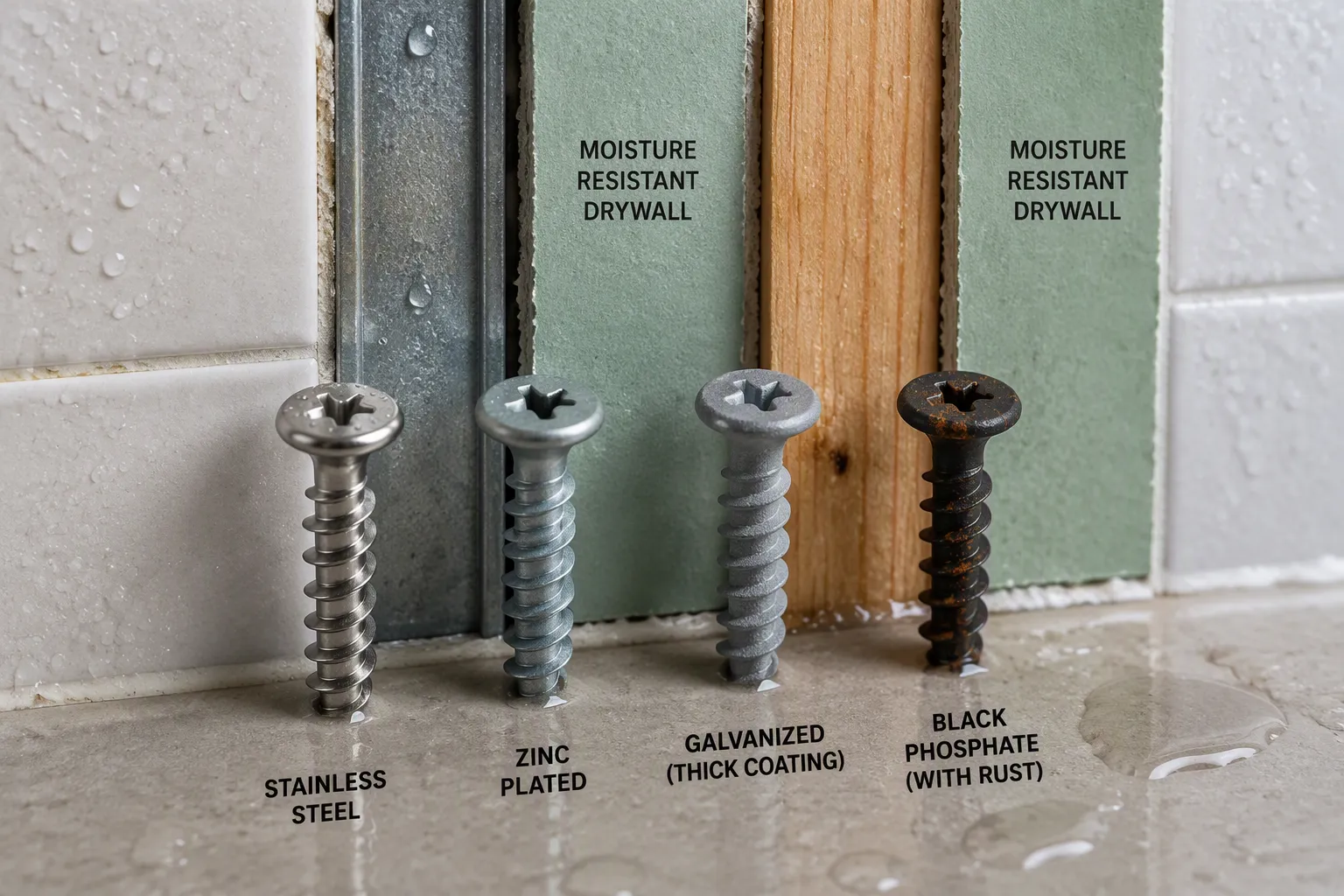
Stainless Steel vs. Corrosion-Resistant Coatings
Material selection determines long-term performance in wet environments. Regular zinc-coated drywall screws offer limited protection in moisture-prone environments. Galvanized and stainless-steel screws are recommended to prevent rusting in humid basement environments. Stainless steel remains the most reliable choice for permanently wet or high humidity areas.
Type 304 stainless steel is the minimum alloy for persistent condensation zones. This grade resists corrosion from moisture and chemicals found in bathroom and basement environments. Stainless steel is preferred over coated alternatives to avoid future rust. For shower and tub surround wall cavities, industry guidance is clear:
Use corrosion resistant screws long enough to penetrate into the wall studs or into solid blocking behind the flange... stainless steel or coated steel is preferred to avoid future rust.
Fastener coatings vary in their protective capabilities. Zinc-coated screws can rust in moisture-prone environments. Galvanized screws are recommended to prevent rusting in humid basement environments. Corrosion-resistant coatings such as epoxy or stainless steel blends are important in moisture-prone areas because they protect against oxidation. Each coating type has a specific application range. The coating should you use depends on exposure severity and budget constraints.
Rust-Proof Screws for Bathroom and Basement Framing
Framing material dictates screw selection. Wood studs accept standard drywall screws, but humid basements demand upgraded fasteners. Metal studs require self-drilling screws designed specifically for metal framing. When attaching drywall to metal studs, use self-drilling screws long enough for the screw to penetrate at least 3/8 inch beyond the back of the stud flange. Keep screws at least 3/8 inch from the edge of any stud flange to avoid pull-out.
For below-grade installations, follow these material guidelines:
- Use galvanized or stainless-steel screws and nails to prevent rusting in humid basement environments.
- For wood studs, standard nails or screws are acceptable.
- For metal studs, use screws designed specifically for metal framing.
Before installation, verify the screw coating is intact. Damaged coatings create entry points for moisture and accelerate corrosion. Match the screw material to both the gypsum board and the moisture level of the installation environment. Use corrosion-resistant stainless steel screws in bathrooms and other damp areas. Inspect each box before installation. Reject any fasteners showing visible rust or coating defects. Proper storage also matters. Keep rust-proof screws in dry conditions until use. This preserves their corrosion resistance and ensures reliable performance.
Drywall Installation Tips to Prevent Rust and Failure
Protect the Coating During Drywall Installation
Proper installation preserves the protective coating on every screw. A screw gun or drill set to the correct depth gives the best control. Drive each screw straight into the framing. Angled driving damages the coating and creates a path for moisture.
For 1/2-inch drywall attached to wood studs, use a #6 gauge, 1-1/4-inch coarse-thread drywall screw. The bugle head countersinks into the drywall without tearing the paper face. This creates a flush surface that is easy to finish. Drive the screw so the head sits just below the paper surface. Stop before breaking the paper. Overdriving tears the paper and weakens the screw's hold. Correct depth leaves the surface ready for smooth finishing without additional repairs.
Avoid overdriving, stripping the head, or scratching the coating. Any breach in the coating for protection invites corrosion. Stripped heads also prevent future adjustment. A damaged screw must come out and a new one must go in. This small step protects rust-proof performance across the entire wall.
Extra Moisture Barriers and Ventilation
Fasteners alone cannot stop corrosion in wet spaces. The wall assembly needs layered defense. Install vapor barriers or waterproof membranes in wet areas before hanging drywall. These materials block moisture from reaching the screws. Run exhaust fans in bathrooms during and after showers. Use dehumidifiers in basements to keep humidity low. Caulk around trim, pipes, and penetrations. Every gap is an entry point for damp air.
If rust has already appeared, act quickly. Fix the moisture source first. Replace the affected screws with corrosion-resistant types. Patch the drywall and repaint after treating the stain. This prevents rust stains from bleeding through the new finish.
These steps prevent the drywall from cracking and extend fastener life. Moisture control protects corrosion-resistant screws from the conditions that cause failure. A dry wall cavity keeps corrosion protection intact.
Pick rust resistant drywall screws. Stainless steel fights rust. Coated corrosion-resistant screws resist rust. Install carefully. Control humidity.
Inspect drywall for rust stains. Fix moisture first. Swap failed fasteners for rust-proof screws. Patch the drywall. Rust-proof screws prevent rust, corrosion, and drywall failure. Rust spreads; corrosion weakens; drywall fails. Rust stains signal rust corrosion.
FAQ
What causes rust on drywall screws in bathrooms and basements?
Moisture, steam, and condensation can cause regular zinc-coated drywall screws to rust. Once the coating fails, rust forms. Poor ventilation and water splashes accelerate this process.
How do I stop rust from returning after replacing screws?
Fix the moisture source first. Install vapor barriers, run exhaust fans, and use dehumidifiers. Caulk gaps around pipes and trim. These steps prevent rust from forming again.
Can I paint over rust stains on drywall?
Yes, but treat the stain first. Replace affected screws with corrosion-resistant types. Patch the drywall and repaint after treating the stain. This prevents rust from bleeding through the new paint.